1300 025 780 Australia Wide sales@alphascientific.com.au
Select Page

Gas Sensors

Gas Sensors

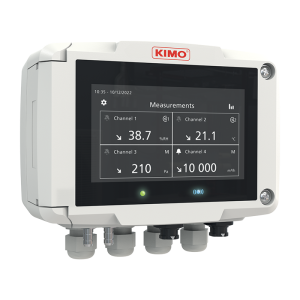
Fixed gas sensors are essential safety devices used to continuously monitor the presence and concentration of hazardous or critical gases in indoor or industrial environments. Installed permanently in strategic locations, these sensors provide real-time detection of gases such as carbon monoxide (CO), carbon dioxide (CO₂), hydrogen sulfide (H₂S), ammonia (NH₃), sulfur dioxide (SO₂), nitrogen oxides (NO and NO₂), oxygen (O₂), ozone (O₃), formaldehyde (CH₂O), and many others.

By constantly analyzing the air and triggering alarms when concentrations exceed safe limits, fixed gas detection systems help organizations maintain safe working environments, protect personnel, and prevent costly incidents.

Unlike portable gas detectors that are carried by individuals, fixed gas sensors operate 24/7 as part of a centralized monitoring system. They can be integrated with facility control systems, ventilation equipment, alarms, and emergency shutdown procedures. This continuous monitoring allows businesses to detect gas leaks early, respond quickly, and ensure compliance with occupational health and safety regulations. Many modern fixed gas sensors also support network connectivity, data logging, and remote monitoring, enabling safety managers to oversee conditions across large facilities in real time.

CO2 Sensors

CO Sensors

NO & NO2 Sensors

SO & SO2 Sensors

Fixed gas detection plays a vital role across a wide range of industries. In manufacturing plants and chemical processing facilities, sensors detect toxic or combustible gases that could endanger workers or damage equipment. In wastewater treatment plants and agricultural operations, gases such as hydrogen sulfide and ammonia must be monitored to protect personnel and maintain air quality. Cold storage facilities and refrigeration plants rely on ammonia detection systems, while laboratories and pharmaceutical facilities monitor gases such as formaldehyde and nitrogen oxides used in production processes.

In energy and infrastructure sectors, fixed gas sensors are critical for maintaining safe operations. Power plants, battery manufacturing facilities, and hydrogen energy installations use gas detection to identify leaks or abnormal gas buildup. Parking garages, tunnels, and underground transport systems commonly use carbon monoxide and nitrogen dioxide sensors to control ventilation and maintain safe air quality for occupants. Similarly, commercial buildings may install carbon dioxide sensors to optimize indoor air quality and energy efficiency through demand-controlled ventilation.

By implementing a reliable fixed gas detection system, organizations can significantly reduce safety risks, improve regulatory compliance, and protect both people and assets. Continuous monitoring ensures that potential hazards are identified early, allowing operators to take corrective action before conditions become dangerous. With the right sensor technologies and system design, fixed gas detection provides an essential layer of protection for modern industrial and commercial environments.