
Outdoor Air Quality Monitoring
Outdoor Air Quality Monitoring
Welcome to Alpha Scientific, your premier partner in real-time dust and outdoor air quality monitoring solutions. Whether you’re in industrial operations, environmental management, or public health, our cutting-edge systems and instruments offer unparalleled benefits that ensure your operations run smoothly and safely.
Our staff at Alpha Scientific have decades of experience in real-time dust and outdoor air quality monitoring using many different measurement technologies and across many different industry applications. We can work with you closely to ensure you acquire the right equipment to meet your needs.
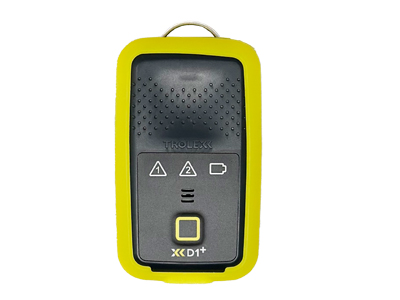


Real-time dust and outdoor air quality monitoring is extemely popular throughout Australasia and the world and there are many different measurement systems and instruments available on the market to undertake this type of work. Some are gravimetric by nature, while others provide real-time results. These results can be collected manually and or the measurement data may be sent remotely to end users and or website portals.


Outdoor Air Quality Monitoring
- Mine Sites
- Quarries
- Road Work
- Tunneling
- Universities & Education
- Port Authorities
- Research Groups
- Construction & Demolition
- Airports
- Industrial Processes
- Personal Exposure Monitoring
- Occupational Health & Safety
- EPA & Regulatory Air Quality Monitoring
- Smart Cities
- Concrete Plants
- Compliance Monitoring
- Smoke Monitoring from Bushfires
- Diesel Particulate Monitoring
- Power Plants
- Cooking & Burning
The World Health Organization (WHO) recommends guideline limits for key outdoor air pollutants to protect human health, based on evidence linking pollution exposure to respiratory and cardiovascular disease. In its 2021 global air quality guidelines, WHO suggests that annual average concentrations should not exceed 5 µg/m³ for fine particulate matter (PM₂.₅) and 15 µg/m³ for coarse particulate matter (PM₁₀), with stricter 24-hour limits of 15 µg/m³ (PM₂.₅) and 45 µg/m³ (PM₁₀) to limit short-term exposure spikes.
It also recommends limits for gases such as nitrogen dioxide (NO₂) at 10 µg/m³ annual mean, ozone (O₃) at 100 µg/m³ maximum daily 8-hour mean, sulfur dioxide (SO₂) at 40 µg/m³ over 24 hours, and carbon monoxide (CO) at 4 mg/m³ over 24 hours. These guideline values are not legal standards but serve as evidence-based targets for governments to reduce air pollution and lower risks of illness and premature death worldwide.